Core Rules
How Rolling Works
▶When the outcome is uncertain and the stakes matter, roll one of your skill dice. The GM sets a target number. Meet or beat it to succeed. Fall short and the situation changes.
Breaks
If you roll the maximum on your die, the skill breaks through:
- Step the die up to the next size
- Roll the new die
- Add the new result to the first
- If you roll max again, keep going
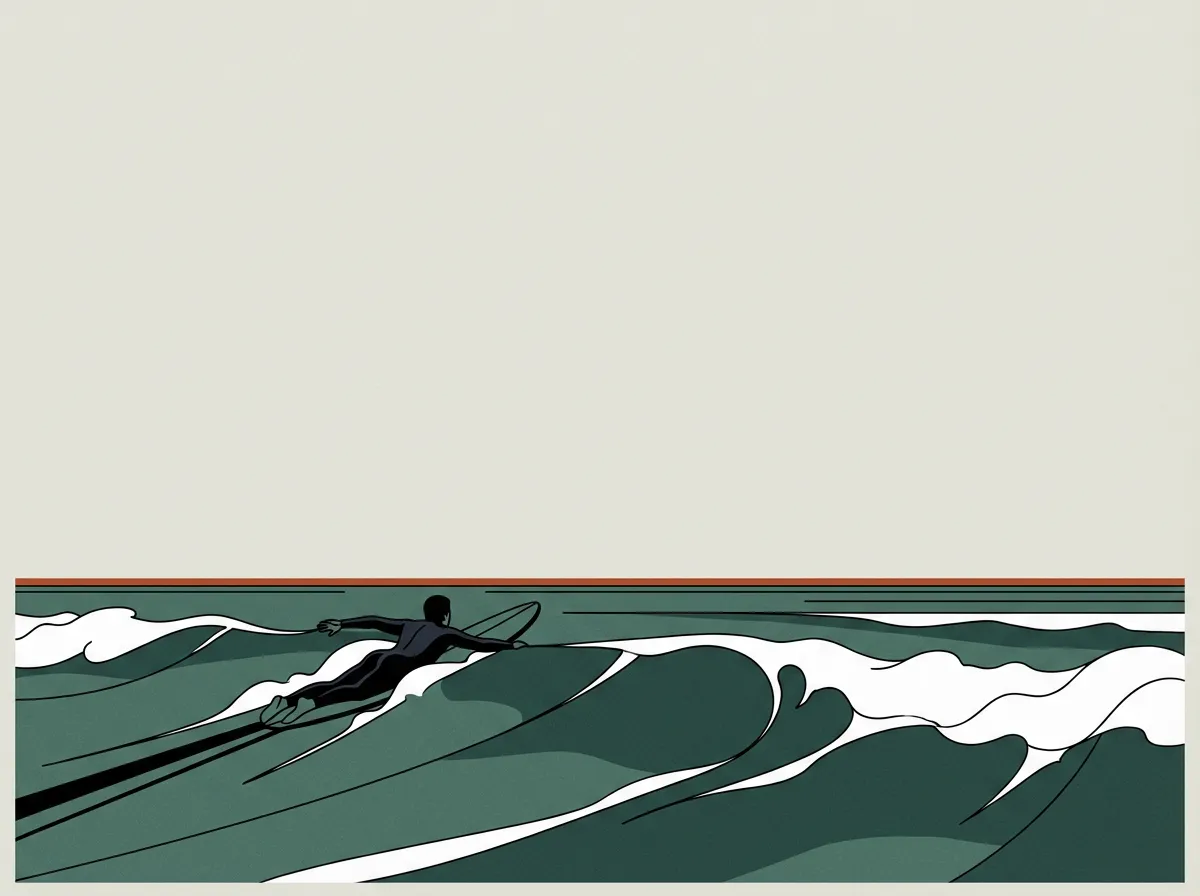
After the roll, your skill stays at the new die size. Your character gets better by being pushed.
d20 is the ceiling. Rolling 20 on a d20 counts as 20, but the die does not advance further.
Tier Limits
| Max 3 skills at d10 |
| Max 3 skills at d12 |
| Max 3 skills at d20 |
If a break would push a 4th skill into a full tier, the roll still counts but the die does not step up. Gain 1 Grit instead.
Advantage & Disadvantage
Advantage: Roll the die twice, take the higher result.
Disadvantage: Roll the die twice, take the lower result.
If you have both, they cancel — roll once as normal. Neither stacks. Breaks still apply on the kept result.
Set Form
If you are not under pressure and have time to act with care, take half your die value instead of rolling. The GM decides when the moment is too volatile for Set Form.
| d4 = 2 | d6 = 3 | d8 = 4 |
| d10 = 5 | d12 = 6 | d20 = 10 |
Set Form replaces rolling. Advantage and disadvantage do not apply. Spending Composure lets you use Set Form even in volatile moments.
Acting Against Others
All rolls are against a target number set by the GM. There are no opposed rolls. When two PCs clash, the GM sets a target for each and reads results together.
Target Numbers
▶| Target | Difficulty |
|---|---|
| 3 | Easy if trained |
| 6 | Tense but ordinary |
| 9 | Difficult |
| 12 | Serious |
| 15 | Extreme |
| 18 | Nearly impossible |
| 20+ | Legendary |
How Bad Is a Miss
| Miss By | Consequence |
|---|---|
| 1–2 | Small cost. A flinch. A bruise. The door is still open. |
| 3–5 | Real cost. Harm, lost Face, heated obligation, or a shift the room notices. |
| 6+ | The situation turns against you. The GM should make it hurt. |
Resources
Grit
▶| Gain: 1 Grit when you fail a roll |
| Spend: 1-for-1 to raise a roll after seeing the result |
| Cap: Cannot exceed 6 |
| Start: 0 |
Grit is stubbornness, pain tolerance, and ugly determination. Earned through failure, spent when the moment matters.
You may spend Grit on any roll, including with advantage or disadvantage. If spending Grit pushes the kept result to the die's maximum, the break is real — the die steps up permanently.
If the tier is full, the die does not step up. Gain 1 Grit instead.
Composure
▶| Start: 2 | Max: 3 | Refreshes to 2 each session |
Spend Composure to:
- Treat a snap action as Set Form (overrides GM volatility judgment)
- Ignore 1 Face loss
- Act first in a formal confrontation
- Refuse bait without losing ground
- Keep your emotional shape in a humiliating moment
Regain 1 Composure when:
- You accept an insult without immediate retaliation
- You choose restraint and it costs you something real
- The GM judges your discipline held the scene together
Face
▶
| Range: 0–6 | Start: 3 |
Gain Face When You:
- Keep your word publicly
- Win cleanly with witnesses
- Show restraint at the right moment
- Defend someone weaker without showboating
- Honor a debt at personal cost
- Accept consequences without whining or begging
Lose Face When You:
- Break your word
- Back down after issuing a challenge
- Beg publicly
- Humiliate someone weaker for gain
- Betray your affiliation
- Panic or fold in a visible moment
Spend 1 Face to:
- Lower the difficulty of a social/ceremonial action by 2
- Demand a private audience
- Stop lesser opponents from escalating
- Force an honest answer (no mockery)
At Face 0:
Respectable people dismiss you. You cannot issue formal challenges. Insults hit harder. Your dojo may suffer by association. Rebuilding is a serious story problem.
Name
▶| Range: 0–3 | Start: 1 |
Gain Name When You:
- Uphold your code at great cost
- Spare someone when revenge would be easier
- Defeat a feared opponent cleanly
- Protect people without claiming the spotlight
- Survive disgrace and act with integrity after
- Do something the neighborhood will still talk about years later
Spend Name to:
- Make an impossible ask of someone who respects the code
- Call in an old debt that should have gone cold
- Survive total social ruin and still be heard once
- Declare a truth about yourself the scene must take seriously
- Turn a loss into legend rather than humiliation
If you lose your last Name, something central is broken. You can keep playing, but every major choice asks whether you are rebuilding a self or becoming hollow.
Harm
▶| Level | Effect | Recovery |
|---|---|---|
| Unharmed | No penalties | — |
| Bruised | Disadvantage on physical skills (Strike, Steel, Motion, Nerve) | Between scenes |
| Broken | Disadvantage on ALL skills, no Set Form | Between sessions or full rest scene |
| Hollowed | Disadvantage on ALL, no Set Form, Sunset Walk question on failed roll | Between sessions (if fiction supports it) |
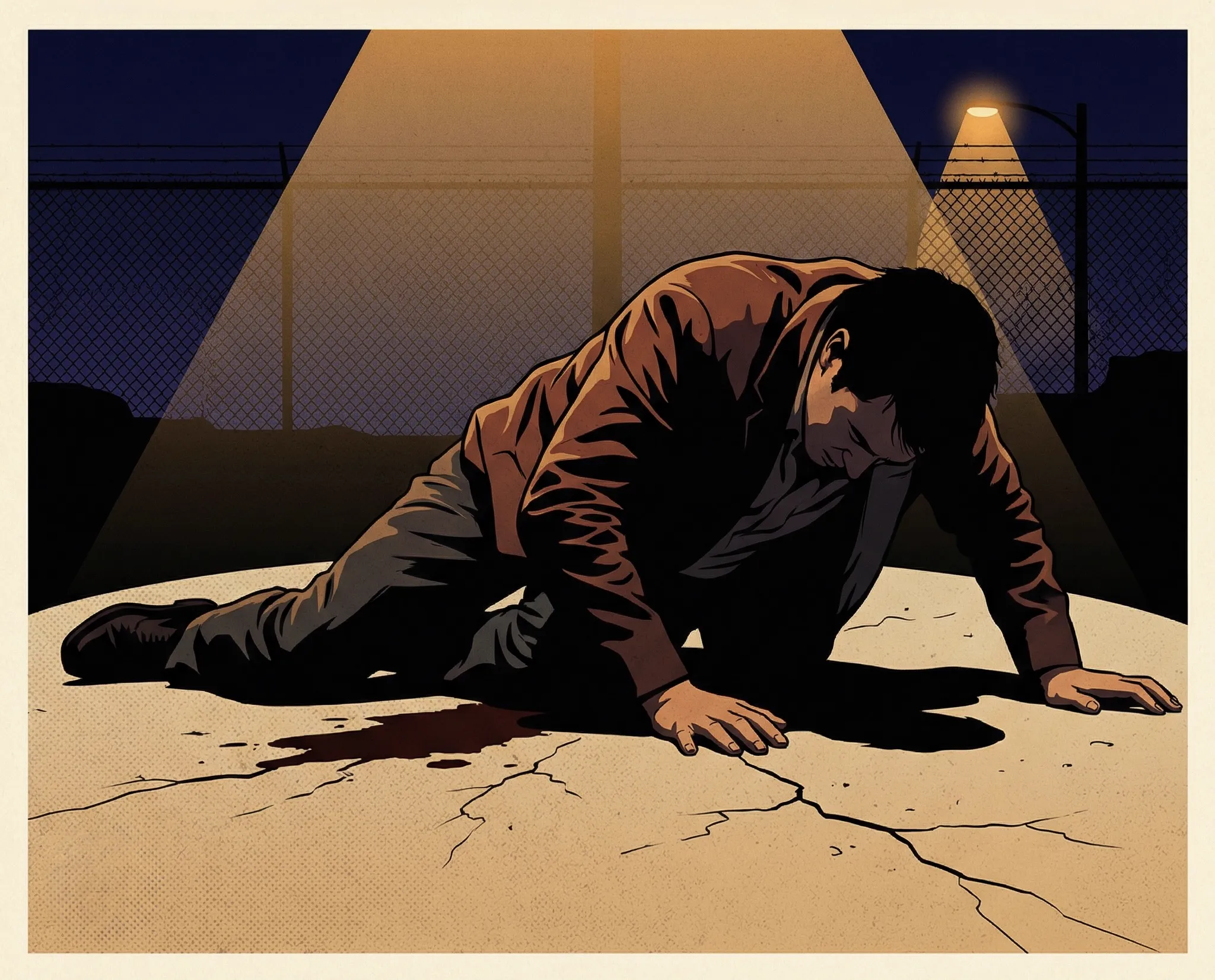
Harm is progressive — you move through levels in order. Each replaces the last.
Taking Harm in a Fight:
- Miss by 1–2: No Harm. Positional cost only.
- Miss by 3–5: Step up one Harm level.
- Miss by 6+: Step up one Harm level + serious fictional consequence.
When already Hollowed and you would take more Harm, the GM asks the Sunset Walk question directly.
Conflict
Fights
▶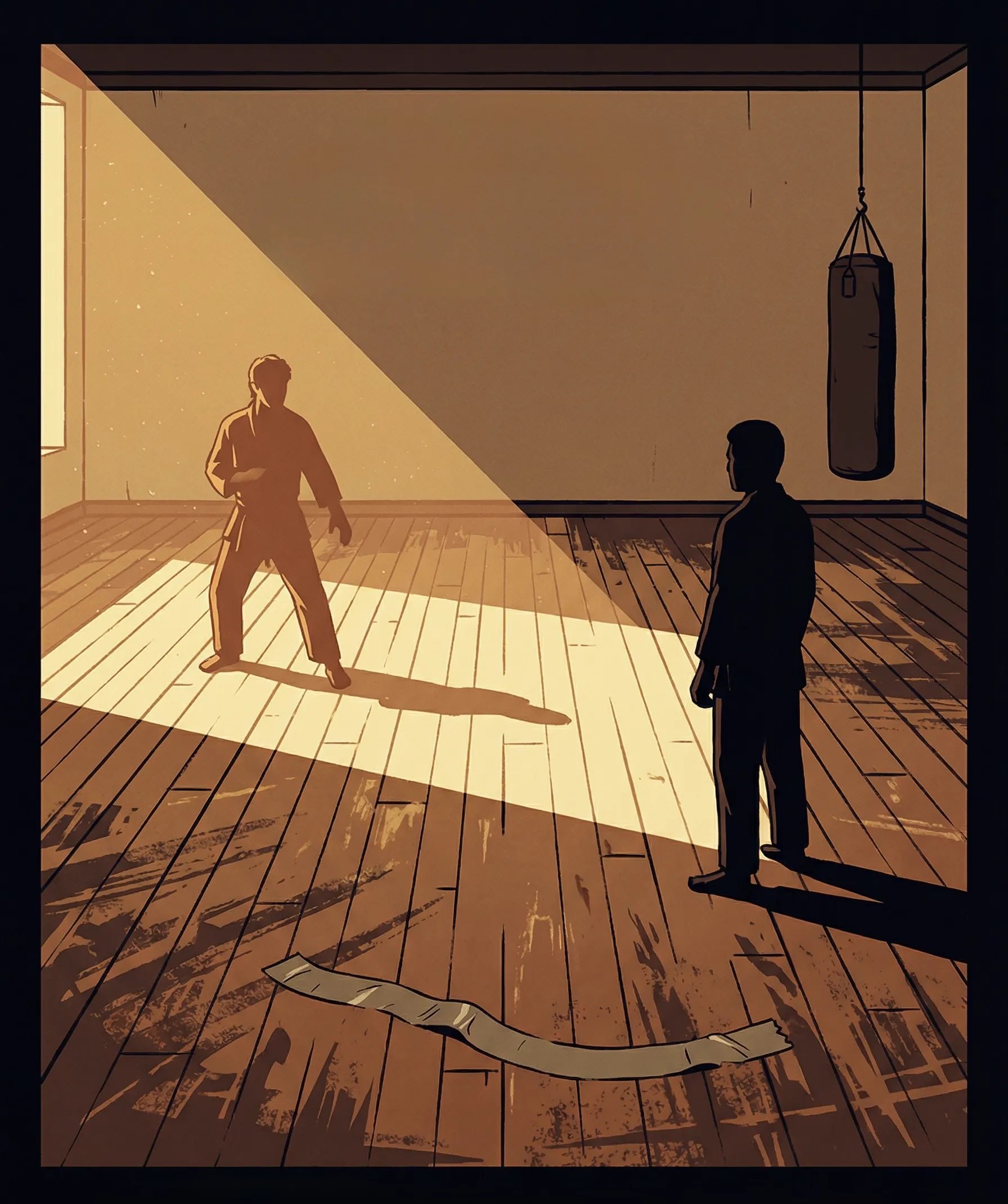
Fights should be sharp, readable, and costly. A fight might be over in one decisive exchange. That is good.
- GM describes the situation: position, exposure, arms, witnesses
- Each participant says intent: hurt, humiliate, escape, protect, disarm, endure
- Each makes one skill roll against a GM-set target
- GM reads results together, describes what happens
- Continue until someone concedes, is Harmed out, or the fiction ends it
Who Goes First:
- Higher Face goes first
- If tied: higher Composure goes first
- If still tied: GM decides by position and readiness
- Spend 1 Composure to act first regardless
A hit can be: a knockout blow, a warning, a pin, a public lesson, a disarm, a shove through a door, or the moment someone realizes they have lost. The fiction matters.
Social Conflict
▶Some of the hardest scenes are not fights. A public conversation with witnesses can carry more danger than a knife.
Social conflict follows the same exchange structure as a fight. The skill is usually Bearing. The costs are Face, obligation heat, access, alliance, or The Cut — not Harm.
| Miss By | Consequence |
|---|---|
| 1–2 | Lose ground but not Face. Still in it. |
| 3–5 | Lose 1 Face. The room noticed. Obligation may heat up. |
| 6+ | Lose 1 Face + serious social consequence (broken alliance, public humiliation, The Cut becomes thinkable). |
A character at Face 0 during social conflict is finished in that scene — no leverage left.
Techniques
▶You begin with 3 Basic Techniques. Only one technique can grant advantage on a single roll.
World
Obligations
▶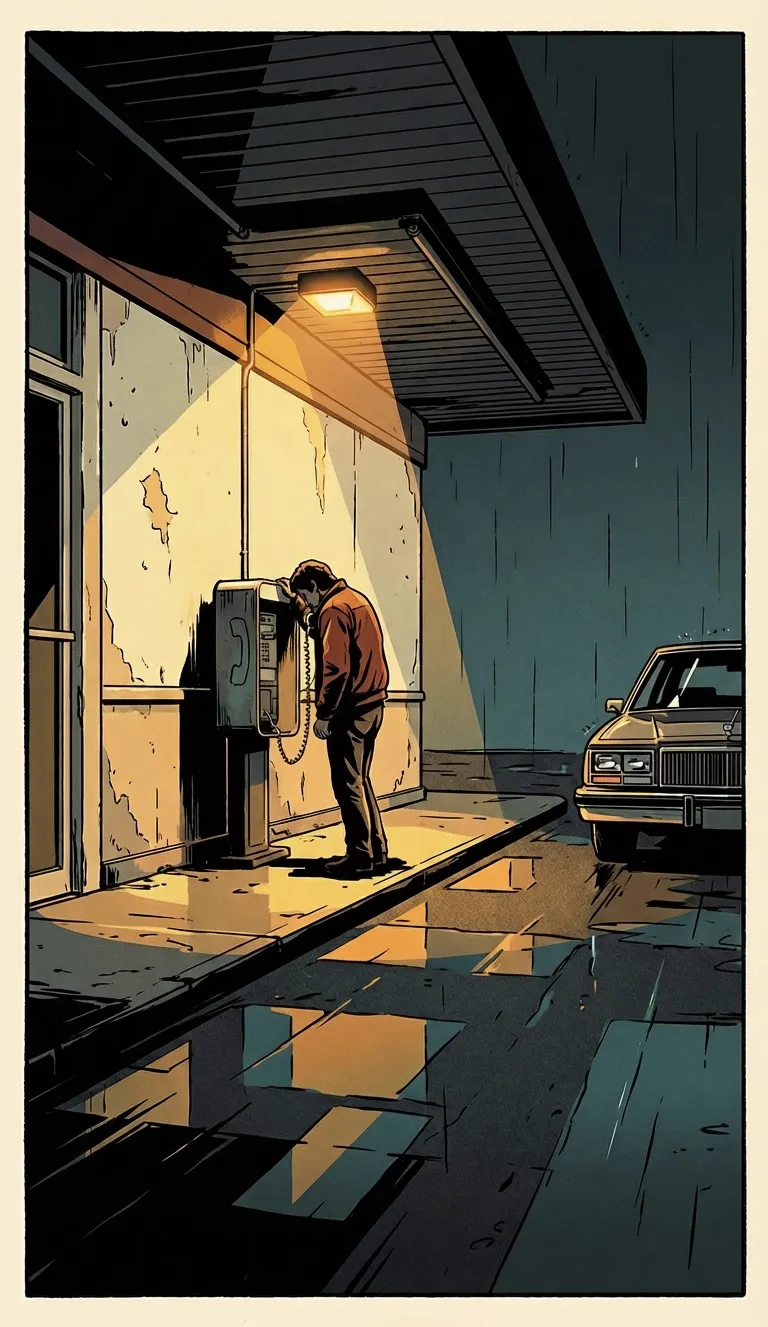
Obligations tie you to people. Each should include: who it concerns, what is owed, and why it matters.
| Level | Meaning |
|---|---|
| Held | Present but manageable |
| Pressing | Coming due |
| Burning | Will define the next scenes if ignored |
Calling In an Obligation:
If you have the bond and the ask is reasonable, the help comes. No roll. But the heat rises by one level. If already Burning, the relationship may break.
Failing an Obligation:
Lose Face, heat rises, new enemies, dojo standing damaged, The Cut may follow.
Honoring an Obligation:
At real cost: recover Face, cool the heat, deepen the relationship, possibly gain Name.
The Cut
▶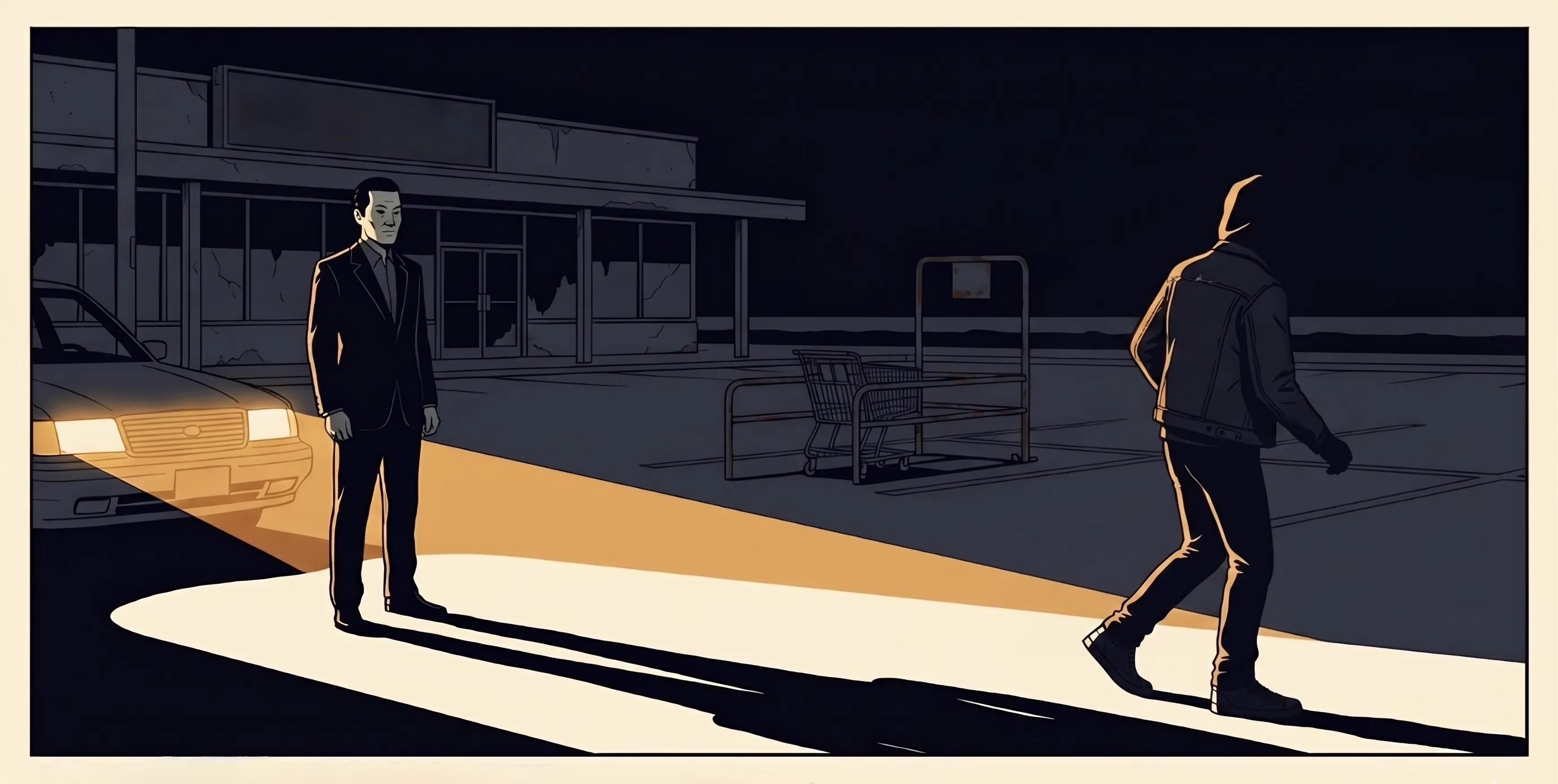
The Cut is formal severance. Not a casual breakup. A relationship central to identity, ended in a way the world must recognize. Delivered in person or through a witnessed symbolic act.
| Immediately lose 1 Face |
| Help tied to that bond is gone |
| Shared obligations become poisoned |
| Name may become shaken (cannot spend Name, identity checks at disadvantage until reasserted) |
The Cut should be rare. When it happens, let the room breathe.
The Sunset Walk
▶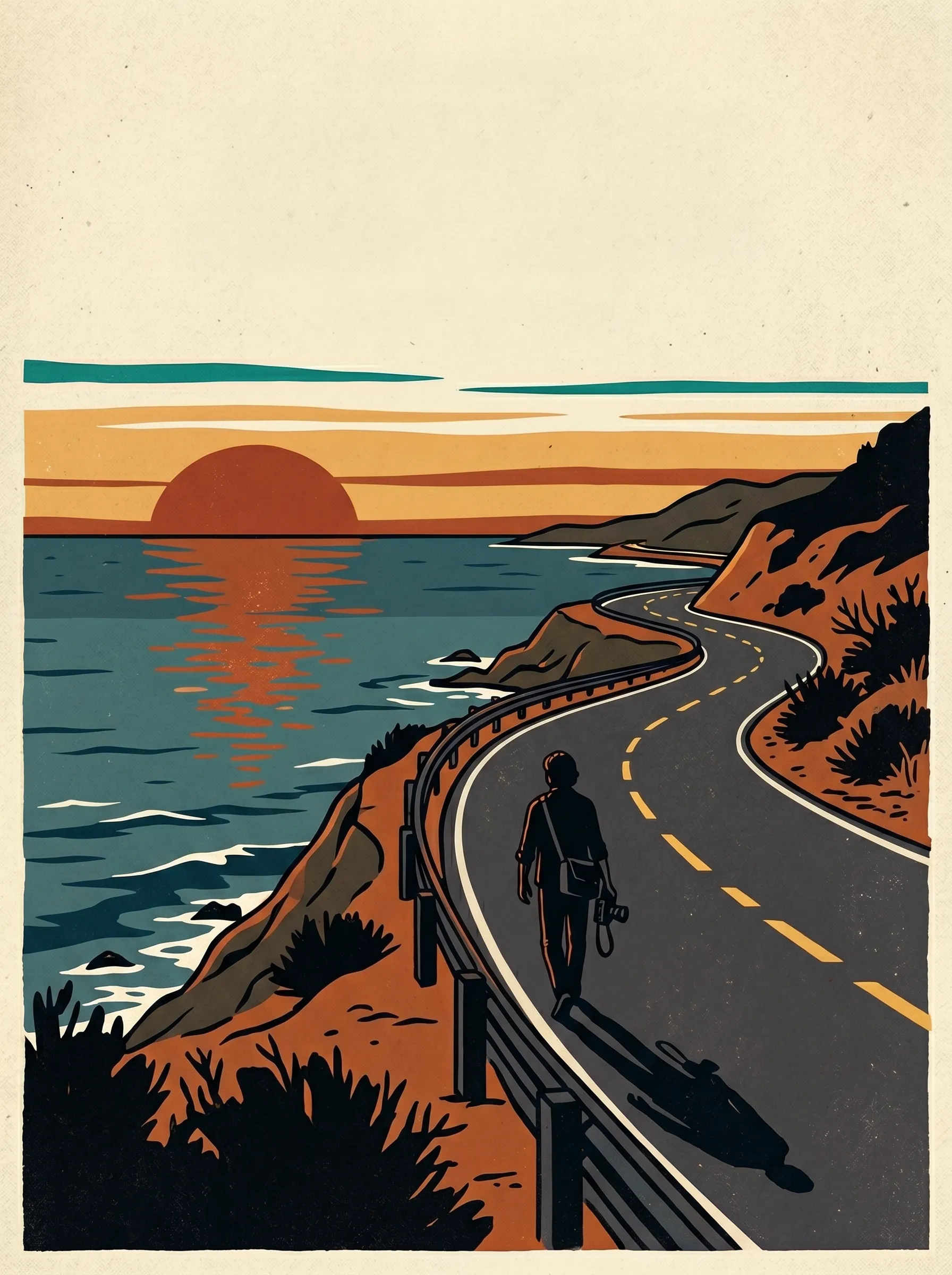
The Sunset Walk is the acknowledged end of a road. It may mean: leaving town, retirement, surrender, exile, disappearing into a new life, one final act followed by silence, or dying with your code intact.
A player may choose a Sunset Walk when their character has reached the edge of what they can bear, has lost too much, or when a final act would be truer than continued survival.
When you take a Sunset Walk, you get:
- One final declaration
- One decisive act
- One ending scene that matters
The Dojo
▶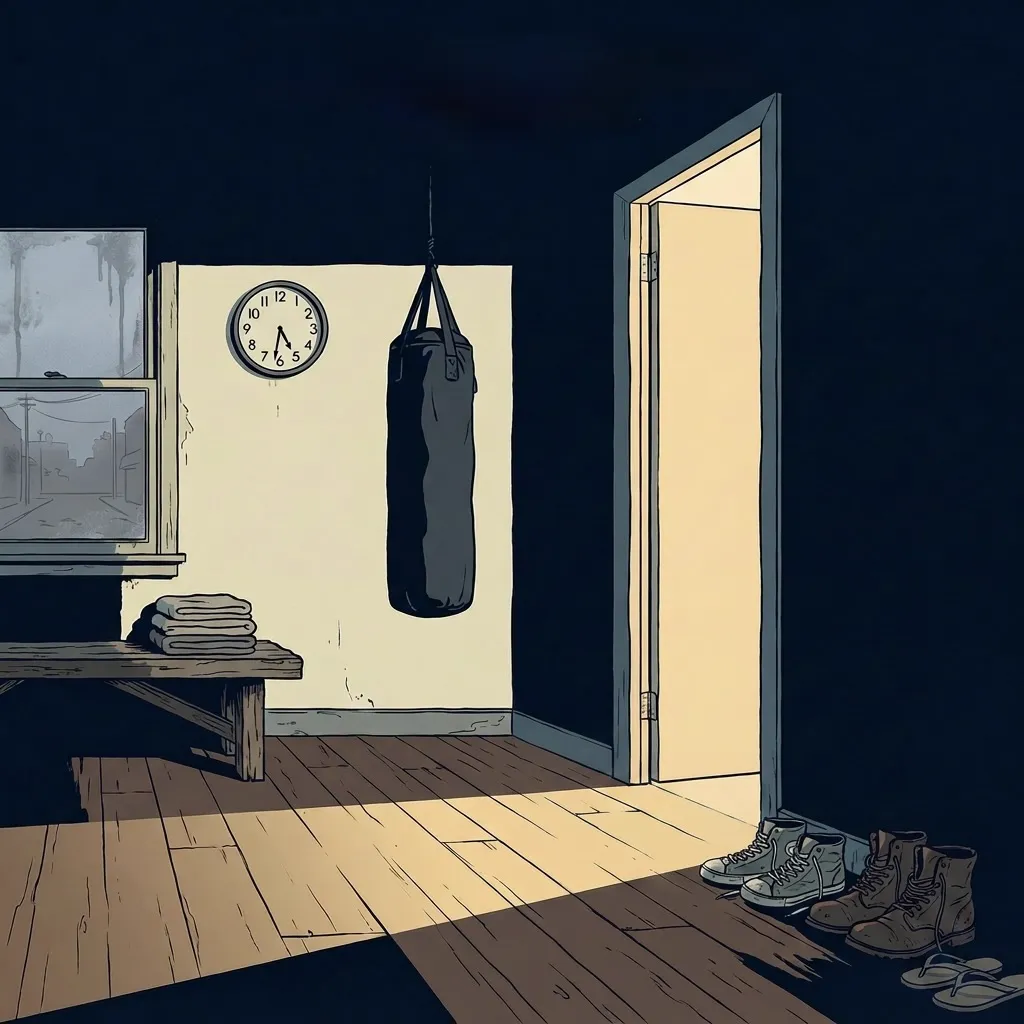
The dojo is not just a backdrop. It is a living institution — where you train, argue, hide, fail, return, and prove whether you still belong.
A dojo may have: a public reputation, internal fractures, financial trouble, old traditions, neighborhood ties, enemies with money, students worth saving, teachers with secrets.
When your actions bring credit to the dojo, the GM may award Face. When your actions shame it, expect to lose Face — and for the dojo obligation to heat up. You are never just representing yourself.
Character
Character Creation
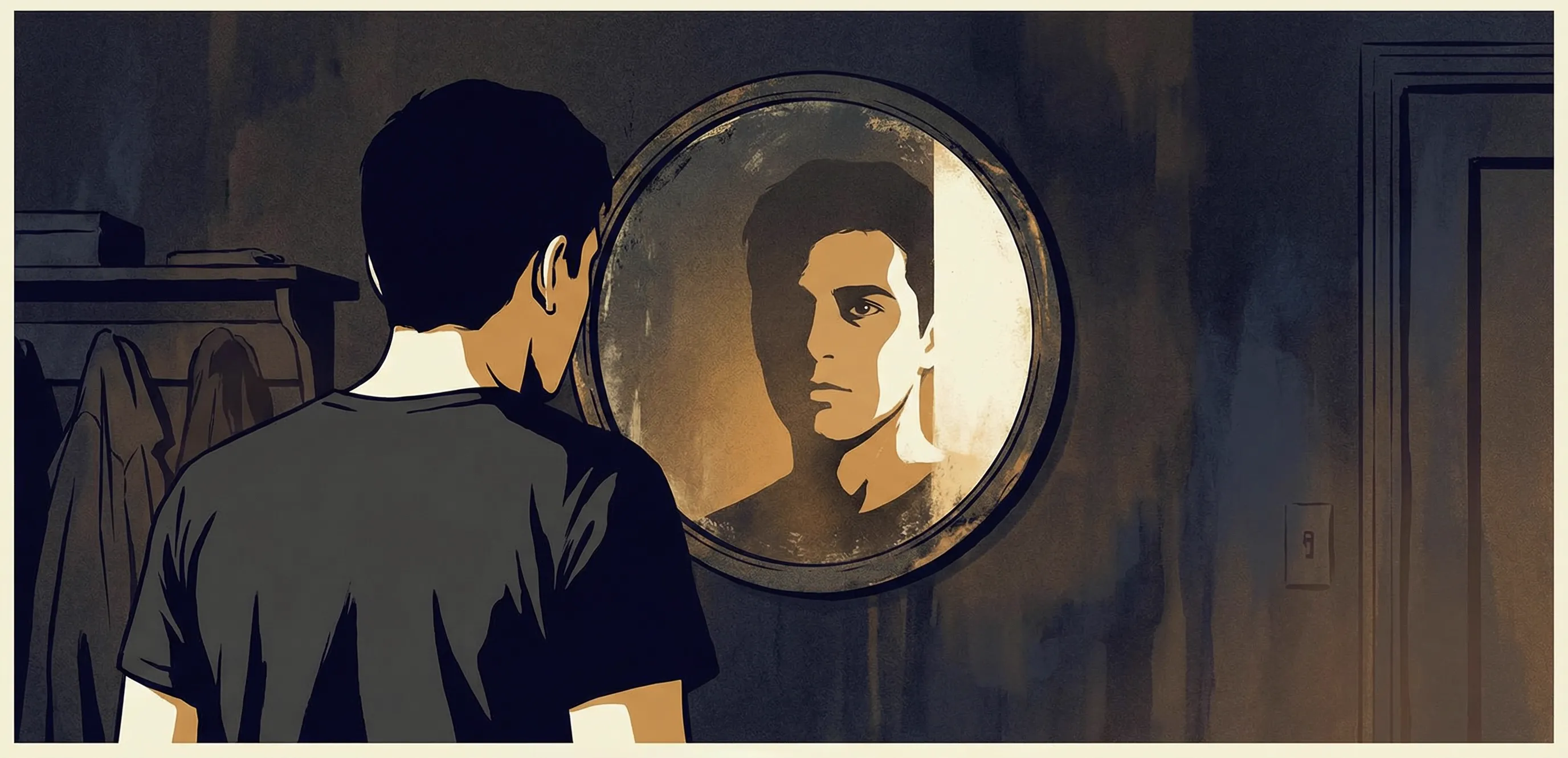
▶
- Street Name — what people call you now
- True Name — who you are when the room goes quiet
- Dojo Role — Student, Senior Student, Instructor, Ex-Student, Rival Student, Enforcer, or Drifter
- Look — how you read at a glance
- Code Clause — one thing you refuse to break. Break = −1 Name. Bend = −1 Face. Uphold at cost = +1 Face
- 2 Obligations — one personal, one social
- Scar — the wound still shaping your life
- Tracks — Face 3, Name 1, Composure 2, Grit 0, no Harm
- Skills — seven at d4, one at d6, one at d8
- 3 Starting Techniques — choose from Basic Techniques
Your Skills
▶- keep cool under insult
- show authority
- withstand pressure in public
- make a demand that sticks
- lie under pressure
- convince someone to back down
- punch, kick, sweep, grapple
- spar
- overwhelm at close range
- knives, staffs, chains, tire irons
- disarm someone
- threaten with a weapon credibly
- sprint, climb, vault, chase
- escape a rooftop or parking structure
- stay upright on unstable ground
- take punishment
- stay conscious
- resist fear on a physical level
- spot a tail
- sense an ambush
- catch a lie
- read the room
- move unseen
- break line of sight
- slip past security
- vanish
- drive fast
- ride a motorcycle hard
- evade pursuit
- bypass alarms
- pick locks
- wire a recorder
- tamper with security
Advancement
▶Your character changes through pressure. Skills grow by breaking through — rolling max on a die steps it up permanently.
Gaining New Techniques:
At the end of each session, each player may nominate one moment where their character learned something real. If the table agrees, gain a new technique — from the Basic list or something new that fits what happened.
A character should rarely carry more than 6 techniques. If you gain a 7th, consider whether an older one has faded.
Not all growth is numeric. Sometimes a character changes because they finally break, finally forgive, or finally stop lying to themselves.
Starting Questions
▶- Who in the dojo do you trust least?
- Who still believes in you more than you deserve?
- What rumor about you is true?
- What rumor about you is false?
- When did you last lose Face in public?
- Who do you owe money, blood, or apology to?
- What part of Santa Monica still feels like yours?
- Who would be relieved if you left town for good?
- What does Sensei see in you that others do not?
- What are you afraid will happen if you finally win?
At the Table
What This Game Is About
▶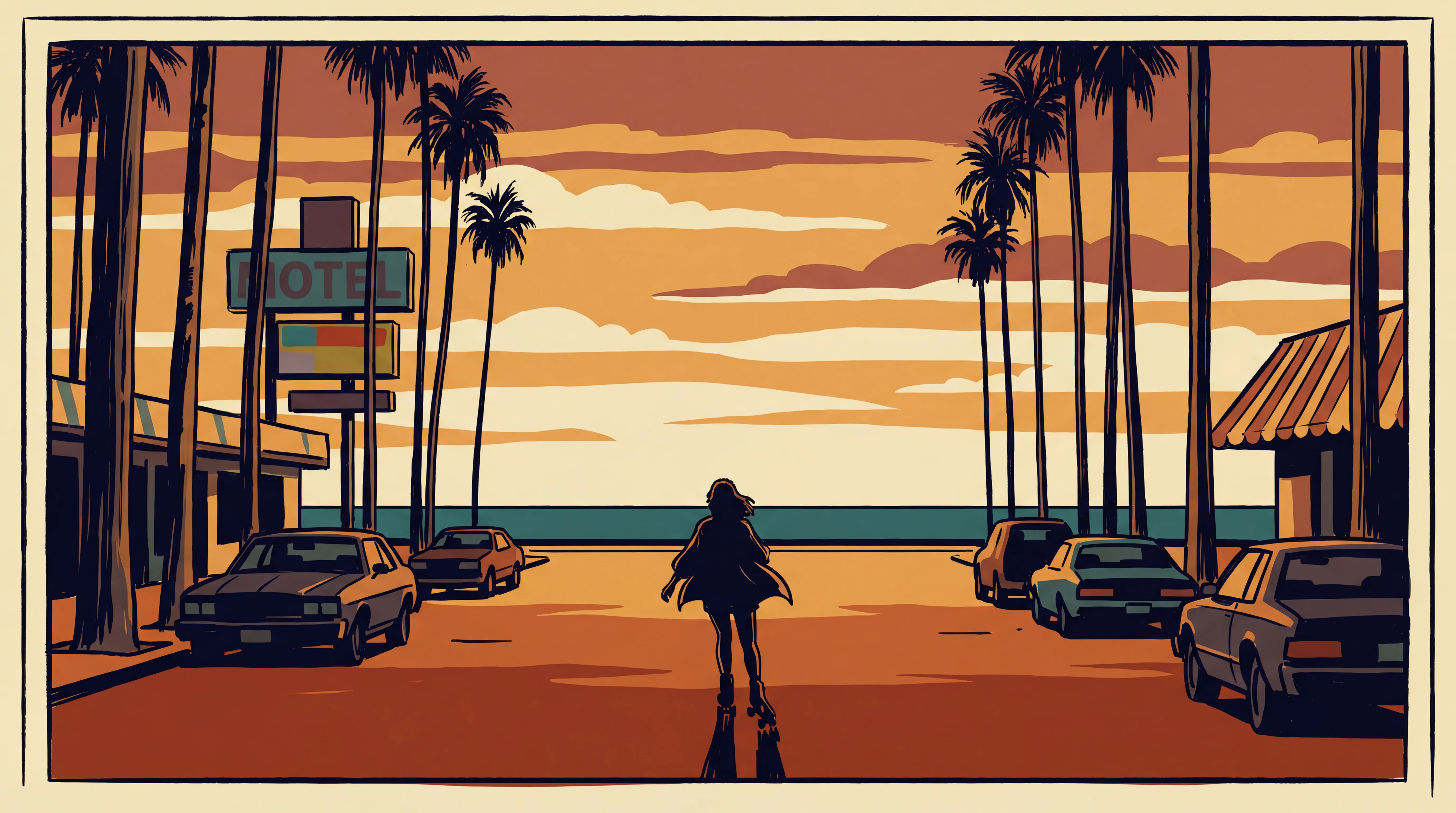
The light is gold. The asphalt is hot. The ocean is a flat sheet of hammered metal beyond the palms. Everyone is selling something. Everyone owes somebody. Everyone is trying to keep hold of one thing that proves they are still the real thing.
Santa Monica Samurai is a cinematic tabletop RPG about:
- Honor under pressure
- Public reputation
- Obligations that define who you are
- Dojo loyalty
- Street-level conflict in 1980s Southern California
- Fights that are fast, sharp, and costly
- Endings that feel earned
The tone is beach noir, dojo drama, and 80s samurai cinema.
The Core Ideas
▶Five ideas at the heart of the game:
Face — your public standing. How people see you. Whether your word means anything in a room with witnesses.
Name — deeper. The identity built through your choices. What people mean when they say someone is the real thing.
Obligation — you are tied to people. You owe favors. You protect family. A person with no obligations is not free — they are unmoored.
The Cut — formal severance from a bond that once defined you. It should happen rarely.
The Sunset Walk — every story is moving toward an ending. The Sunset Walk is always waiting at the edge of the road.
How To Play
▶Play moves between scenes. Roll when the outcome is uncertain and the stakes matter. Otherwise, the table decides.
Failure should change the situation, not just stop the action. Failure may mean:
- You get what you want, but lose Face
- You get what you want, but take Harm
- You get what you want, but now someone is watching
- You get what you want, but you owe someone
- You do not get what you want, and the room turns against you
Playing Your Character Well
▶- Know what your character wants
- Know what they owe
- Know what they refuse
- Let public scenes matter
- Let silence matter
- Do not turn every conflict into a joke
- Do not treat violence as free
- Let losses change you
If your character never has to choose between two painful goods, something is missing.
Honor In This Game
▶Honor here is not purity. It is about whether your actions can still bear the weight of your own name.
A criminal can have honor. A teacher can lose it. A violent person can act with restraint. A respectable person can be rotten underneath.
The code is demanding, imperfect, and always under pressure.
Example of Play
▶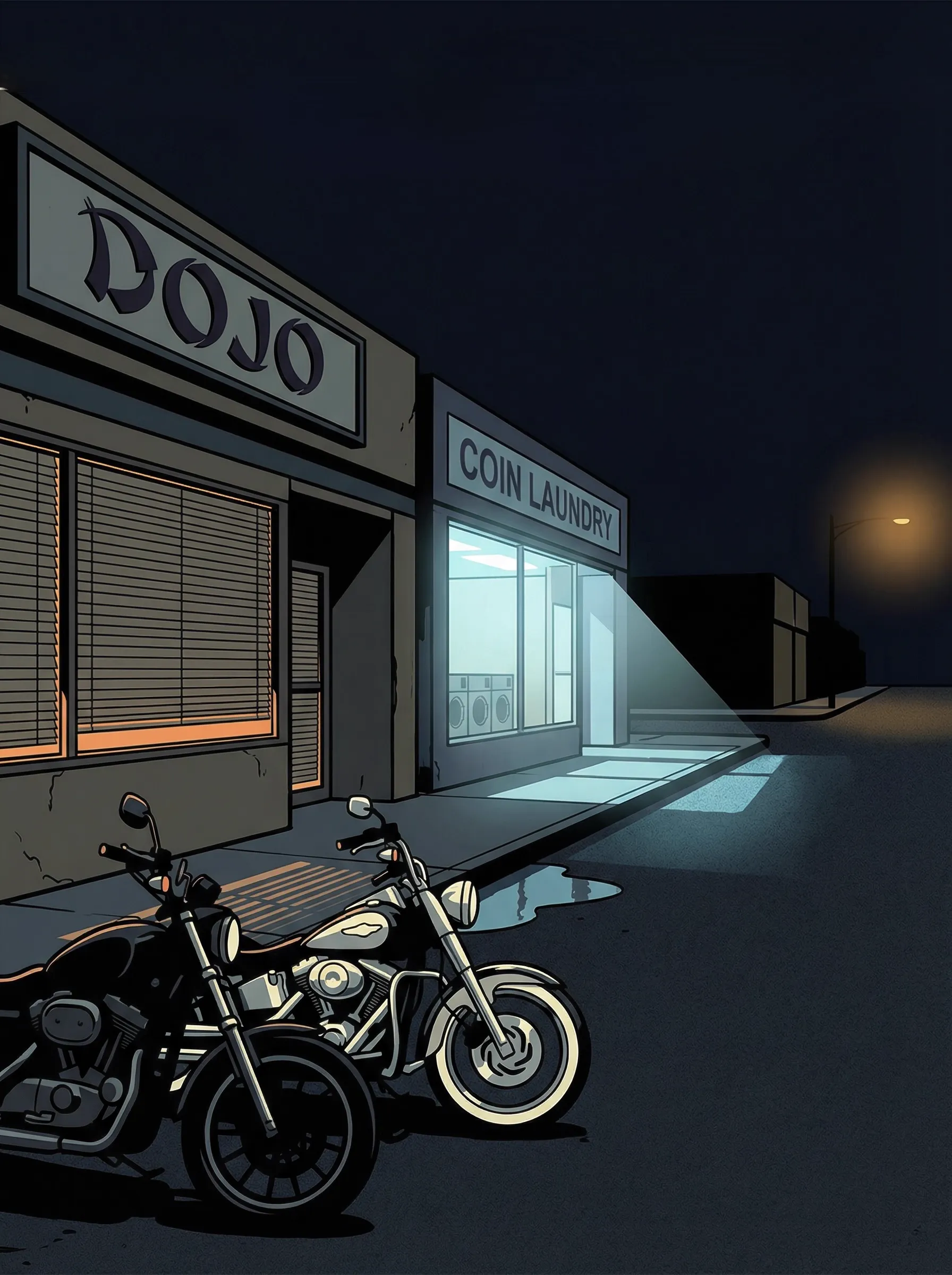
GM: It is late. The dojo is closed. The fluorescent sign in the laundromat next door is buzzing through the wall. You hear a motorcycle stop outside. Then another. Then silence.
June: I look through the blinds without moving them much.
GM: Sounds like Sight.
June rolls her d4 Sight and gets a 4. Blow-up! Steps to d6. Rolls d6, gets 5. Total: 9.
GM: You see two bikes. Three riders. One stays with the engines. One carries flowers. The third is Vincent from the South Bay school.
June: Flowers?
GM: White lilies.
June: That means insult, not apology. I tell Ray to stay back. I go open the door myself.
GM: Vincent says, "We came to pay respect. Unless you people have forgotten what that looks like." There are two apartment windows open across the street. People can hear this.
June: I do not rise to it. I bow exactly correctly and say, "Then come in clean or leave loud. Choose."
GM: That is Bearing. Target 6. June's Bearing is d4. She rolls 3. Not enough. But she has 4 Grit. She spends 3 to push the 3 up to 6.
GM: Vincent smiles without showing teeth. "Clean, then." He wipes his shoes on the mat like he owns the place.
This shows: fiction first, skill rolls when stakes matter, breaks growing skills, Grit earned through earlier failure spent when it matters, the public nature of Face-heavy scenes.
Table Expectations
▶- Take each other seriously — Humor is allowed. Constant deflation is not.
- Share the spotlight — Everyone should get scenes where their obligations, techniques, and code matter.
- Let consequences stand — Do not dodge every painful outcome.
- Build each other up — If another player sets up a strong beat, help it land.
- Keep the world human — Even when the tone is heightened, people should feel like people.
Final Word
▶Santa Monica in 1984 is bright enough to hide things in plain sight. The beach is full of light. The dojo smells like old canvas, floor cleaner, and sweat. The tape deck clicks. The traffic keeps moving. Somebody is always watching from a parked car, from a storefront, from the apartment across the alley, from inside the house you swore you would never go back to.
You are what you do in front of witnesses. You are what you do when nobody sees. You are what you refuse.
Carry yourself accordingly.
No rules match “”
Try a different term, or browse the sections above.